
El Nino Turns a Nightmare to AP Farmers
TIRUPATI: For thousands of farmers across Andhra Pradesh, the biggest worry this season is not falling prices but the rain that never came. And with El Niño conditions compounding the rainfall deficit, the crisis has taken a dangerous turn.
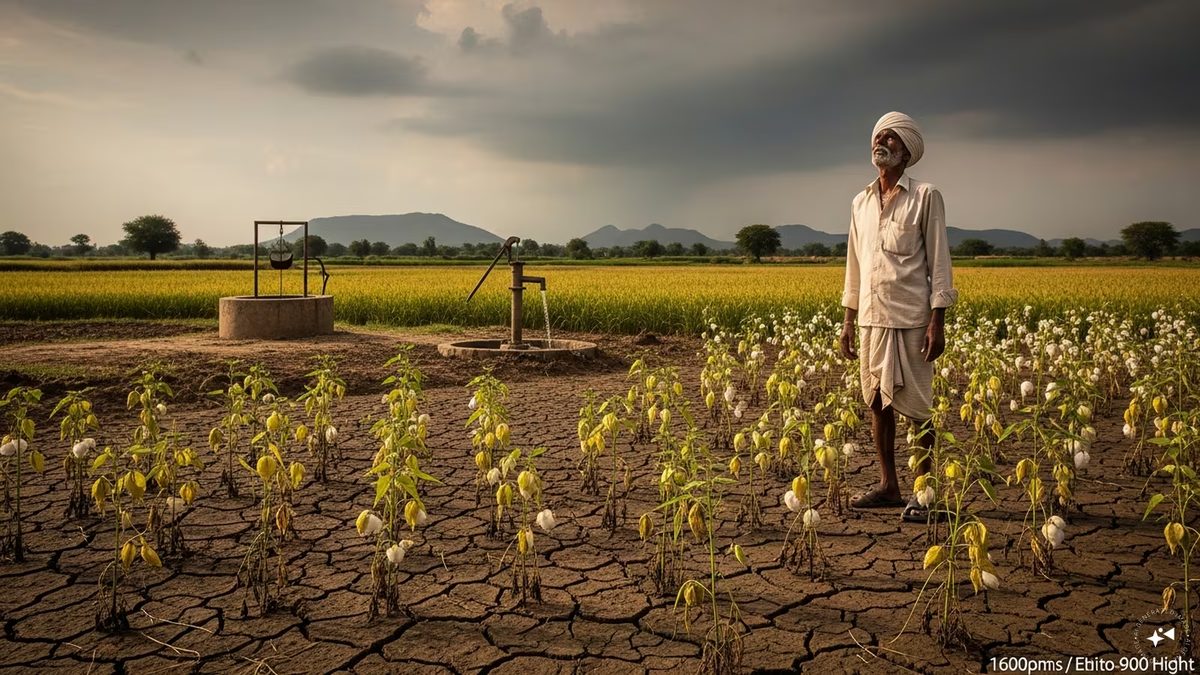
Representative image.
The state received just 197.6 mm of rain between June 1 and August 31, against the normal 424.3 mm — a staggering 53.4% shortfall. The government has declared 388 mandals across 21 districts drought-affected, including 283 classified as severely affected.
Rayalaseema is among the worst-hit regions, where dependence on uncertain rainfall makes every dry spell costly. With fields thirsting for water, farmers face mounting pressure to save crops, repay loans and protect household incomes. Farm labourers and small rural businesses, too, risk losing their livelihoods as agricultural activity weakens.
El Niño, a natural climate phenomenon associated with warming in the central and eastern equatorial Pacific, can disrupt global weather patterns and weaken the Indian monsoon. In Andhra Pradesh, officials have cited prevailing El Niño conditions alongside the sharp rainfall deficit in declaring drought early. However, the phenomenon alone does not explain every local rainfall failure.
The immediate concern is water. Poor rainfall can reduce soil moisture, groundwater recharge and reservoir inflows, leaving farmers with fewer options for the next crop. Horticulture growers face additional pressure to keep orchards alive.
The government has advanced its drought declaration to facilitate relief and credit support. But farmers need timely crop-loss assessments, accessible loans, drinking water and employment support before mounting losses turn into a debt trap.
For Rayalaseema, the warning is stark: without effective water management and climate-resilient farming, every failed monsoon could push more rural families towards the brink.

Comments
Be the first to comment on this story.